

Here’s a question that probably stings a little:
When’s the last time you actually asked someone for help?
Not vague “let me know if you need anything” exchanges. Real help. “I’m struggling and I need support.” “I don’t know how to handle this.” “Can you help me?”
If you’re drawing a blank, you’re not alone. Most men would rather suffer in silence for months (or years) than admit they need help with something.
We’ll DIY a project we’re not qualified for. We’ll stay lost rather than ask for directions (yeah, that stereotype exists for a reason). We’ll struggle with depression, anxiety, or life challenges while telling everyone we’re “fine.”
Why? Because somewhere along the way, we learned that asking for help equals weakness. That real men handle their own problems. That needing support means you’re not capable, not strong, not man enough.
Here’s the truth that nobody’s saying clearly enough: asking for help isn’t weakness. It’s one of the bravest things you can do.
It takes more courage to admit you’re struggling than to pretend you’re not. It takes more strength to reach out than to suffer alone. It takes more wisdom to seek support than to destroy yourself trying to handle everything independently.
Let’s talk about why the courage to ask for help is actually one of the most important skills you can develop as a man.

Why Men Don’t Ask for Help
First, let’s understand what’s actually stopping you.
You Were Trained That Help Equals Weakness
Think back to childhood. What happened when you asked for help?
Maybe you heard “Figure it out yourself.” Maybe “Be a big boy.” Maybe you got called names or mocked for needing support. Maybe the adults around you modeled suffering in silence as “strength.”
According to research on masculine socialization, boys receive consistent messages that independence equals strength and dependence equals weakness. By adulthood, asking for help feels like admitting failure.
This training runs deep. You internalized that real men are self-reliant, self-sufficient, never needing anyone. Consequently, the idea of reaching out for support triggers shame, even when you desperately need it.

You Fear Losing Respect
There’s a deeper fear underneath: if people know you’re struggling, they’ll think less of you.
Your friends will see you as weak. Your partner will lose attraction. Your coworkers will doubt your competence. Your family will be disappointed. You’ll lose status, respect, and your place in the hierarchy.
Research on masculine identity threat shows that men experience requests for help as potential threats to their masculine identity. You’re not just asking for support. You’re risking your entire self-concept.
But here’s what that fear misses: people who judge you for being human weren’t worth impressing anyway. And people worth keeping in your life? They respect honesty more than performance.
You Think You Should Handle Everything Alone
Part of masculine identity (the toxic part) is the belief that you should be able to handle anything life throws at you, independently, without support.
Can’t figure out this problem? You’re not smart enough. Can’t handle this emotional challenge? You’re not strong enough. Need help with this task? You’re not competent enough.
The standard is impossible. Nobody handles everything alone. But admitting that feels like admitting defeat. Studies on self-reliance ideology show that extreme self-reliance correlates with depression, isolation, and worse outcomes. The very thing you think makes you strong is actually making you weaker.
Furthermore, you end up attempting things you’re unqualified for, making preventable mistakes, and suffering unnecessarily, all to avoid the “shame” of asking for help.

You Don’t Want to Burden Others
Here’s a gentler reason: you genuinely don’t want to impose on people.
“They have their own problems.” “I don’t want to bother them.” “They’re busy enough.” This sounds considerate, but it’s often self-protection disguised as consideration.
You’re assuming that your needs are a burden rather than an opportunity for connection. You’re denying others the chance to support you. You’re deciding for them that they don’t want to help.
Research on help-seeking barriers shows that anticipated burdensomeness is a major factor preventing men from seeking support. Yet studies also show that people generally want to help and feel closer to those they’ve helped. You’re solving a problem that doesn’t exist.
You Literally Don’t Know How
For many men, the barrier isn’t just psychological. It’s practical. You don’t know how to ask for help because you’ve never learned.
What words do you use? How vulnerable should you be? Who do you ask? How do you bring it up? What if they say no? The entire process feels foreign and uncomfortable.
This skill deficit is real. If you’ve spent 20, 30, 40 years not asking for help, you haven’t developed the muscle. Consequently, even when you want to reach out, you don’t know where to start.
The Real Cost of Not Asking for Help
Let’s look at what actually happens when you refuse to seek support.
Your Problems Get Worse
Here’s something obvious but worth stating: problems rarely solve themselves.
That mental health issue you’re ignoring? It’s getting worse. That relationship conflict you’re avoiding? It’s deepening. That skill gap you’re trying to hide? It’s holding you back. That financial problem you won’t discuss? It’s compounding.
Research on delayed help-seeking shows that postponing support leads to more severe problems, longer recovery times, and worse outcomes. What could have been resolved quickly becomes a crisis because you waited too long.
Moreover, you waste enormous time and energy struggling alone when someone could have helped you solve it quickly. You’re not being strong. You’re being inefficient.
You Stay Stuck and Isolated
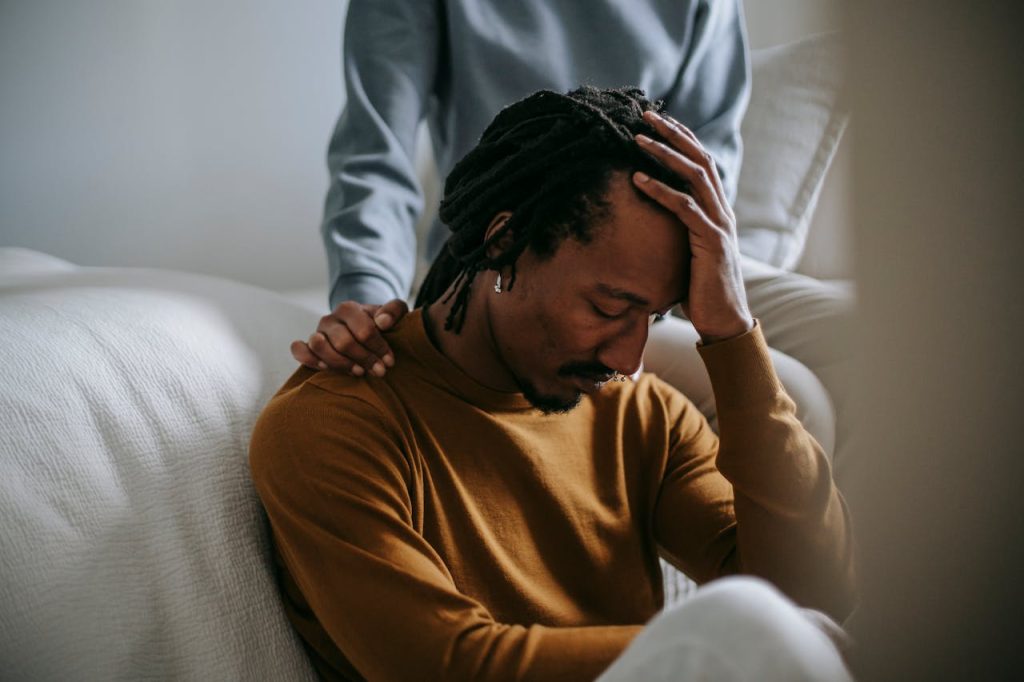
When you don’t ask for help, you don’t grow. You’re stuck with your current knowledge, skills, and perspective. You can’t see your blind spots. You can’t access expertise you don’t have. You can’t benefit from others’ experiences.
Furthermore, isolation feeds on itself. The more you handle everything alone, the more alone you become. Your relationships stay superficial because you never let anyone see you struggle. You miss opportunities for genuine connection because you’re always performing competence.
Studies on social isolation and health show that chronic isolation is as harmful as smoking 15 cigarettes daily. You think you’re being strong by going it alone. Actually, you’re slowly poisoning yourself.
Your Mental and Physical Health Deteriorate
Carrying everything alone takes a massive toll.
Chronic stress from unaddressed problems leads to anxiety, depression, and burnout. Physical health suffers through high blood pressure, weakened immune system, and stress-related illness. Sleep quality declines. Substance use might increase as self-medication.
Research on masculinity and help-seeking reveals that men’s reluctance to seek help contributes significantly to worse health outcomes and higher mortality rates. You’re literally shortening your life by refusing support.
The irony? You’re trying to be strong by not asking for help, but you’re making yourself weaker in the process.
You Model Unhealthy Patterns
If you have kids (especially sons), they’re watching. They’re learning that men don’t ask for help. That struggling alone is what “real men” do. That needing support is shameful.
You’re passing on the same toxic pattern that’s hurting you. Research on intergenerational transmission shows that masculine norms get passed down through modeling. Your silence teaches them silence.
Do you want them spending their lives suffering unnecessarily because you taught them that asking for help is weakness? Or do you want to model something better?

Why Asking for Help Is Actually Brave
Now let’s flip the script. Here’s why seeking support is one of the most courageous things you can do.
It Requires Facing Your Fear
Courage isn’t the absence of fear. It’s acting despite fear.
Asking for help terrifies most men. You’re risking rejection, judgment, and feeling exposed. You’re admitting you don’t have all the answers. You’re being vulnerable.
Doing it anyway? That’s courage. Research on vulnerability and courage confirms that vulnerability is the most accurate measure of courage. If it wasn’t scary, it wouldn’t require bravery.
The guy who never asks for help isn’t strong. He’s avoiding. The guy who asks despite the fear? He’s demonstrating real courage.
It Shows Self-Awareness and Wisdom
Knowing when you need help requires self-awareness. You have to recognize your limitations, acknowledge your struggles, and accept that you don’t have all the answers.
That’s not weakness. That’s wisdom. The Dunning-Kruger effect shows that incompetent people overestimate their abilities while competent people recognize their limitations. Knowing what you don’t know is a sign of intelligence, not stupidity.
Furthermore, research on metacognition shows that accurate self-assessment is a key predictor of success. You can’t improve what you won’t acknowledge needs improvement.
Wise men know their limitations and seek support accordingly. Foolish men pretend they’re capable of everything.
It Demonstrates Strength, Not Weakness
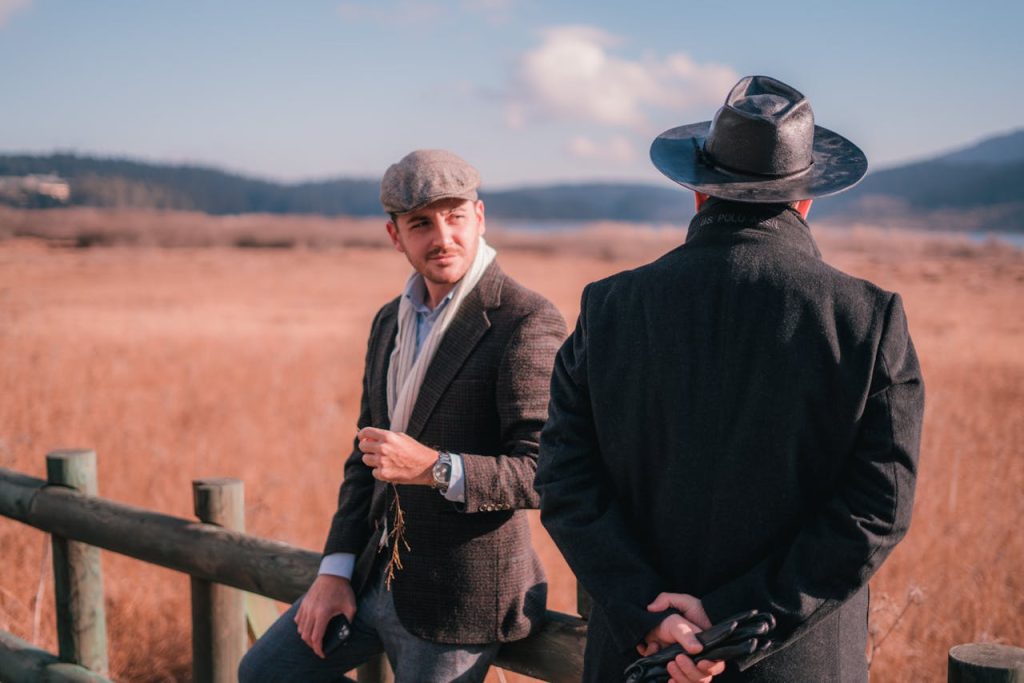
Here’s a fundamental truth: you have to be strong to be vulnerable.
Weak, insecure people hide behind walls, afraid of being exposed. Strong, secure people can admit imperfection because their identity isn’t threatened by it.
Asking for help says: “I’m secure enough in myself that I can acknowledge this limitation. My worth isn’t dependent on appearing perfect. I’m confident enough to prioritize effectiveness over ego.”
Studies on secure attachment and help-seeking show that people with secure sense of self seek help more readily. They’re not threatened by needing support. Meanwhile, insecure people avoid it because their fragile identity can’t handle admission of imperfection.
So which are you? Strong enough to ask? Or too insecure to admit you’re human?
It Builds Connection
Here’s something beautiful: asking for help creates intimacy.
When you let someone see you struggle and they support you, connection deepens. You’re no longer performing at each other. You’re being real. That vulnerability creates trust and closeness.
Research on self-disclosure and relationships consistently shows that appropriate vulnerability strengthens relationships. Moreover, people feel closer to those they’ve helped. You’re not burdening them. You’re giving them an opportunity to matter.
The surface-level friendships where everyone pretends to be fine? Those stay shallow. The relationships where people can be real about struggles? Those become deep and lasting.

It Accelerates Growth
Here’s the practical reality: you grow faster with help than without it.
Someone who’s already navigated what you’re facing can save you years of trial and error. Someone with expertise you lack can teach you in months what would take years to figure out alone. Someone with outside perspective can see your blind spots.
Studies on mentorship and development show that people who actively seek guidance and support achieve goals faster and reach higher levels of competence. Help isn’t a crutch. It’s an accelerator.
You can spend five years struggling to figure something out alone, or you can spend five hours learning from someone who knows. Which is actually smarter?
It Honors the Person You’re Asking
When you ask someone for help, you’re saying: “I value your expertise. I trust you. I believe you can support me.”
That’s honoring, not burdening. Most people feel good when asked for help in their area of strength. You’re recognizing their value.
Furthermore, refusing help when offered can actually be insulting. You’re essentially saying: “I don’t trust you” or “Your support doesn’t matter.” Meanwhile, accepting help says: “I see you. I value what you offer.”
Research on reciprocal relationships shows that mutual support (giving and receiving) creates stronger bonds than one-directional independence. You honor others by letting them matter to you.
How to Actually Ask for Help
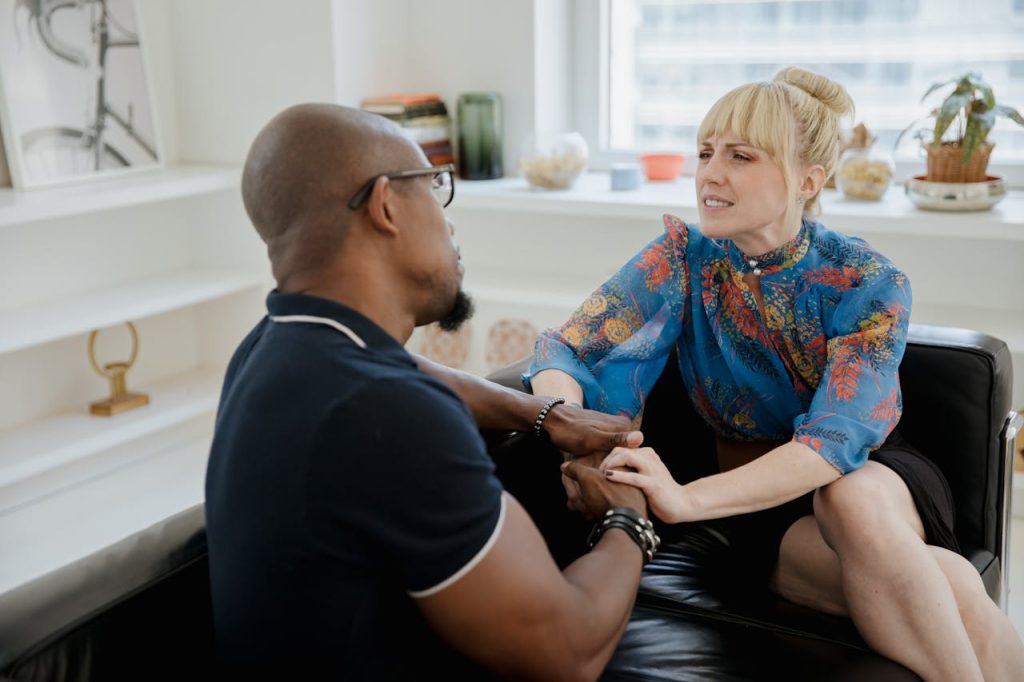
Alright, you’re convinced. Now how do you actually do it?
Start Small and Specific
Don’t wait for a crisis to practice asking for help. Start with small, low-stakes requests.
Practice with:
- “Can you recommend a good restaurant?”
- “Could you help me understand this concept?”
- “Would you mind looking at this and giving feedback?”
- “Do you have time to help me move this furniture?”
These build the muscle. You learn that asking doesn’t kill you, people generally want to help, and support makes things easier. Research on graduated exposure shows that starting small makes bigger asks possible.
Furthermore, specific requests are easier to fulfill than vague ones. “Can you help me?” is harder to respond to than “Can you help me understand how to use this software?”
Choose the Right People
Not everyone is safe to be vulnerable with. Be strategic about who you ask.
Good candidates:
- People who’ve shown themselves trustworthy
- People with relevant expertise or experience
- People who’ve been vulnerable with you
- People who’ve offered support before
- Professional helpers (therapists, coaches, mentors)
Avoid:
- People who’ve judged vulnerability before
- People who gossip or break confidence
- People who make everything about themselves
- People who can’t hold space for difficult emotions
Studies on social support effectiveness show that the quality of support matters more than quantity. One trustworthy person is worth ten superficial ones.

Be Direct and Clear
When you ask, be straightforward. Don’t hint or hope people guess. State what you need clearly.
Instead of: “Things are tough right now” (vague, leaves them unsure how to help)
Try: “I’m struggling with anxiety and would like to talk to someone about it. Do you have time this week?”
Instead of: “I’m kind of stuck on this” (minimizing, unclear)
Try: “I’m stuck on this problem and need help figuring it out. Can you walk me through your approach?”
Research on communication effectiveness shows that clear, direct requests are more likely to be met than indirect hints. People want to help but need to know what you actually need.
Accept Help Gracefully
When someone offers support, accept it. Don’t minimize, deflect, or insist you’re fine.
Instead of: “Oh, it’s not that bad. I’ll figure it out.”
Try: “Thank you. That would actually really help.”
Instead of: “I don’t want to bother you.”
Try: “I appreciate you offering. Yes, I could use support.”
Studies on reciprocal altruism show that accepting help strengthens relationships. You’re allowing connection, not being weak.
Furthermore, accepting help models healthy behavior. You’re showing others it’s okay to need support. That’s leadership.
Express Genuine Gratitude
When someone helps, acknowledge it meaningfully. Let them know their support mattered.
Try:
- “That really helped. Thank you for taking the time.”
- “I couldn’t have done this without you. I appreciate it.”
- “You made a real difference. Thank you.”
This isn’t just polite. It reinforces the relationship and makes them more likely to help again (you or others). Research on gratitude and relationships shows that expressing appreciation strengthens bonds and creates positive cycles of support.

Offer to Reciprocate
Help doesn’t have to be transactional, but offering to return the favor when you can is appropriate.
Try:
- “Let me know if there’s anything I can help you with.”
- “I owe you one. Seriously, reach out if you need anything.”
- “Next time you need support, I’m here.”
This maintains balance in relationships. You’re not just a taker. You’re part of a mutual support network. Studies on reciprocal relationships show that balanced give-and-take creates strongest bonds.
Practice Self-Compassion During the Process
Asking for help might feel awkward, embarrassing, or uncomfortable at first. That’s normal. Be kind to yourself about it.
Remind yourself:
- Everyone needs help sometimes
- This is courage, not weakness
- I’m learning a new skill
- Discomfort means growth
Research on self-compassion shows that people who treat themselves kindly during difficult processes persist longer and achieve better outcomes. Don’t beat yourself up for needing support. That’s human.
Specific Situations: How to Ask
Let’s get even more practical with specific scenarios.
Asking for Mental Health Support
The situation: You’re struggling with depression, anxiety, or other mental health challenges.
How to ask: “I’ve been dealing with [anxiety/depression/etc.] and I think I need professional help. Can you recommend a therapist?”
Or to a friend: “I’m going through a really hard time mentally and could use someone to talk to. Are you free this week?”
Research on mental health help-seeking shows that verbalizing the need is often the hardest but most important step. Once you ask, resources usually follow.

Asking for Relationship Help
The situation: Your relationship is struggling and you need guidance.
How to ask: “My partner and I are going through a difficult patch. Have you ever dealt with something similar? I’d value your perspective.”
Or to a professional: “We need couples counseling. Can you help us find someone?”
Studies on relationship intervention show that seeking help early prevents many breakups. Don’t wait until it’s unsalvageable.
Asking for Career or Professional Help
The situation: You’re stuck professionally and need guidance.
How to ask: “I’m trying to navigate [specific career challenge]. You’ve been successful in this area. Would you be willing to mentor me or offer advice?”
Or: “I’m struggling with [skill]. Do you know anyone who could teach me or point me toward resources?”
Research on mentorship effectiveness shows that people with mentors advance faster and achieve more. Asking is how you get mentors.
Asking for Practical Help
The situation: You need assistance with a task, project, or life situation.
How to ask: “I’m [moving/renovating/handling X task]. Would you be able to help for a few hours on [specific date]?”
Or: “I don’t know how to [fix this/use this/do this]. Could you show me?”
Simple, direct, specific. People appreciate knowing exactly what’s needed and when. Research on prosocial behavior shows people generally want to help when asked clearly.
Asking When You Don’t Know Who to Ask
The situation: You need help but don’t know where to start.
How to ask: “I’m dealing with [situation] and I’m not sure where to turn. Do you know anyone who might be able to help or point me in the right direction?”
Asking for a referral is often easier than asking for direct help. Plus, it expands your network. Someone usually knows someone who can help.

What Changes When You Start Asking for Help
So what actually shifts when you develop the courage to seek support?
Problems Get Solved Faster
This one’s obvious but important. With help, issues that would take months to solve alone get resolved in weeks. Skills that would take years to develop get learned in months. Challenges that felt impossible become manageable.
You stop wasting time spinning your wheels. You access expertise you don’t have. You benefit from others’ experience. Research on collaborative problem-solving shows that supported individuals achieve goals faster and more effectively.
Your Relationships Deepen
When you let people help you, they feel closer to you. You’re no longer just the guy who has it all together. You’re real, human, relatable.
Furthermore, vulnerability creates safety for others to be vulnerable. Your honesty gives them permission to be honest. Suddenly your friendships and relationships have actual depth.
Studies on mutual vulnerability show that relationships where both people can be real are significantly more satisfying and stable.
Your Mental Health Improves
The burden of carrying everything alone lifts. You’re not isolated with your struggles. You have support, perspective, and resources.
Anxiety decreases because you’re not white-knuckling through life anymore. Depression improves because you’re connected rather than isolated. Stress reduces because you’re not handling everything solo.
Research on social support and mental health consistently shows that asking for and receiving help is one of the strongest protective factors against mental health problems.
You Model Healthy Masculinity
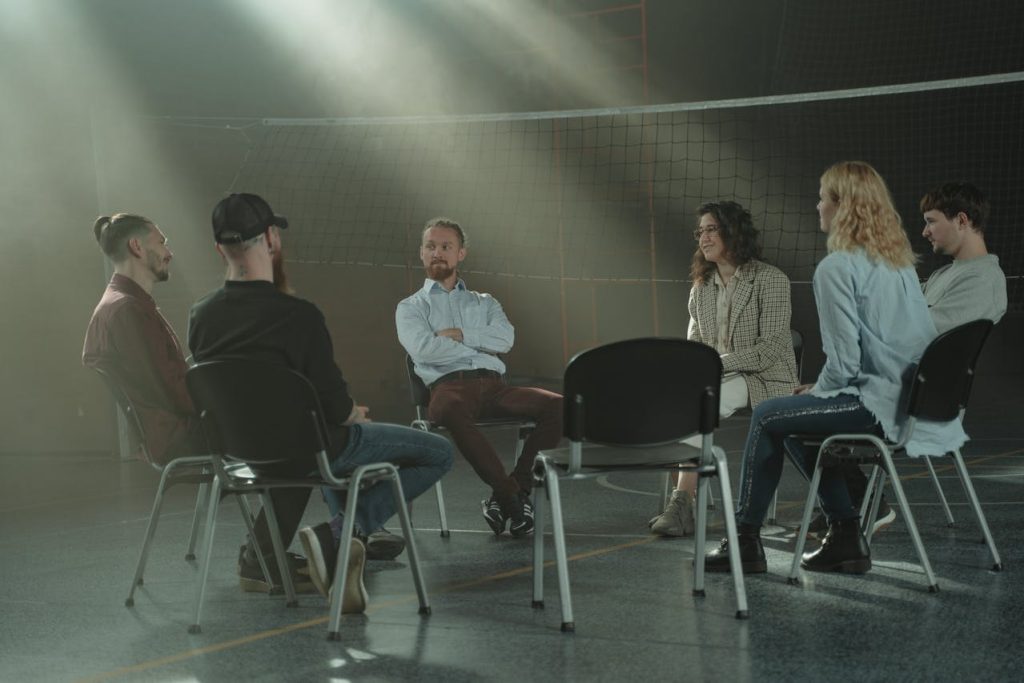
When you ask for help, you show others (especially younger men watching) that it’s okay to need support. You break the cycle of toxic self-reliance.
Your kids learn they can ask for help. Your friends feel safer being vulnerable. Other men see an alternative to suffering alone. You become a leader not through dominance but through courageous authenticity.
Research on social modeling shows that behavior spreads through social networks. Your courage gives others permission to be courageous too.
You Actually Become Stronger
Here’s the paradox: admitting you need help makes you more capable, not less.
You develop new skills faster. You solve problems more effectively. You build a support network that makes you more resilient. You’re not weak because you ask for help. You’re strategically resourceful.
The strongest people aren’t those who never need help. They’re those who’ve built systems of support that make them virtually unbreakable. That’s real strength.
The Bottom Line: Asking for Help Is Leadership
Here’s what I need you to understand: the courage to ask for help isn’t weakness. It’s one of the most powerful skills you can develop.
Every successful person you admire has asked for help. Every healthy relationship includes mutual support. Every strong community is built on people being willing to both give and receive assistance.
The lone wolf thing? That’s a myth. Wolves survive in packs. Humans evolved for community. Extreme self-reliance isn’t strength. It’s self-imposed isolation that makes you weaker, not stronger.
You don’t have to carry everything alone. You weren’t designed to. The weight you’re carrying right now (that problem you’re struggling with, that emotion you’re suppressing, that challenge you’re facing alone) it doesn’t have to be this hard.
There are people who want to help you. There are people qualified to help you. There are resources available. All you have to do is be brave enough to reach out.
Yes, it’s scary. Yes, it feels vulnerable. Yes, it goes against everything you were taught about masculine self-reliance.
Do it anyway.
Because the alternative is staying stuck, staying isolated, staying in pain, all to avoid the temporary discomfort of admitting you’re human.
That’s not brave. That’s just sad.
Real courage looks like saying: “I need help. I can’t do this alone. Will you support me?”
That sentence might be the hardest thing you ever say. It’s also the most important.
So ask. Today. Right now. Whatever you’re struggling with, reach out to someone. A friend. A therapist. A mentor. A hotline. Someone.
Your future self, unburdened and supported, is waiting for you to be brave enough to ask.

Your Action Plan: Start Asking
Don’t just read this and keep suffering alone. Actually take action:
Today:
- Identify one thing you’re currently struggling with alone
- Think of one person who might be able to help
- Send them a message or make a call asking for support
This Week:
- Practice one small, low-stakes request for help
- Notice how it feels (uncomfortable is normal)
- Notice what happens (usually positive)
This Month:
- Ask for help at least once per week
- Start building a support network of people you can be real with
- Offer help to others (creates reciprocal support culture)
Ongoing:
- Notice when you’re struggling alone unnecessarily
- Catch yourself before pride stops you from asking
- Remember: asking for help is courage, not weakness
The first ask is the hardest. After that, it gets easier. Start small. Build the muscle. Watch your life improve.
The Invitation
Right now, you’re carrying something alone that you don’t have to carry alone.
Maybe it’s depression. Maybe it’s relationship struggles. Maybe it’s career confusion. Maybe it’s just everyday stress that’s become overwhelming. Maybe it’s something you haven’t even named yet.
Whatever it is, there’s someone who can help. A therapist. A friend. A mentor. A support group. A hotline. Someone with experience, expertise, or just a willingness to listen.
But they can’t help you if you don’t ask.
You can keep pretending you’re fine. Keep carrying it all. Keep suffering in silence because you were taught that’s what “real men” do.
Or you can be brave. Really brave. The kind of brave that admits “I’m struggling and I need help.”
That’s not weakness. That’s the most masculine thing you can do. Because real strength isn’t never needing help. It’s having the courage to ask for it.
So here’s your challenge: before the day ends, reach out to someone. One person. One message. One call.
“Hey, I need to talk about something.” “I’m struggling with [issue] and could use your advice.” “Do you have time to help me with [specific thing]?”
Just that. That’s all it takes to start.
The burden you’re carrying gets lighter the moment you share it. The struggle gets easier the moment you admit you need support. The isolation ends the moment you reach out.
Your whole life can change direction from one brave moment of asking for help.
So what’s it going to be? Keep carrying it alone? Or find the courage to reach out?
The choice is yours. The support is waiting.
All you have to do is ask.
When’s the last time you asked for help? What made it hard? What made it easier? Or what’s still stopping you? Let’s talk honestly in the comments (your story might give someone else the courage to ask).