
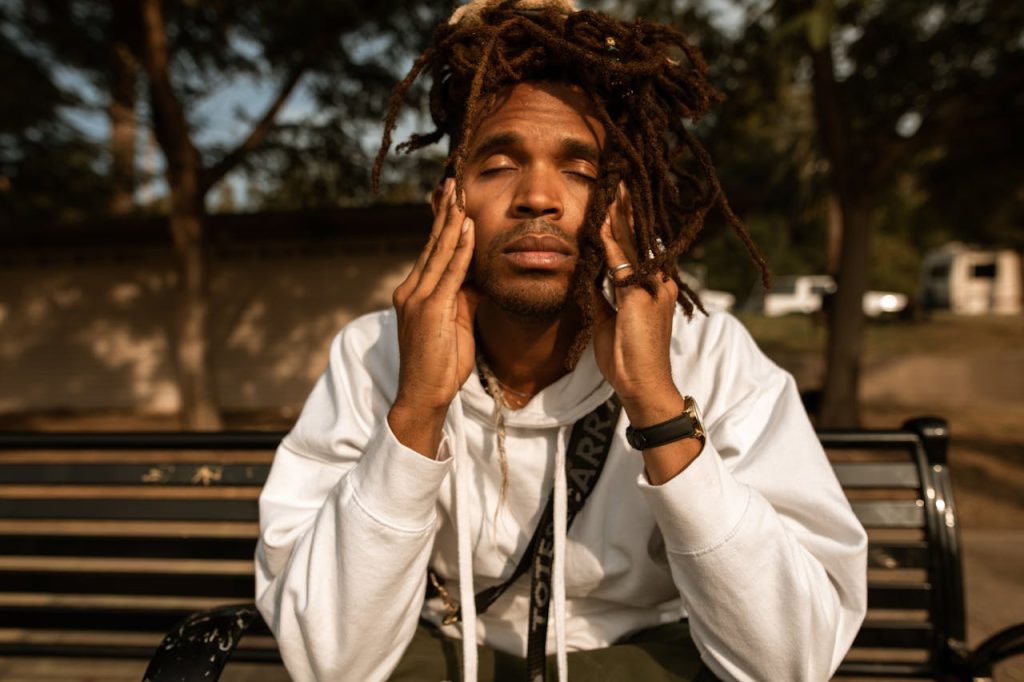
You know that feeling when your chest gets tight for no apparent reason? When your mind races at 3 AM about things you can’t control? When you snap at the people you love and don’t even know why?
If you’re a man reading this, you might not call it anxiety. You might call it “stress.” Or being “on edge.” Or just having a lot on your plate.
But here’s the truth nobody told you: anxiety is the most common mental health condition affecting men. And most of us have no idea we have it.
Why? Because anxiety in men doesn’t always look like what you’d expect. It hides behind anger. Behind overwork. Behind that third beer at the end of a long day. And because we don’t recognize it for what it is, we don’t get help, and it keeps running the show.
Let’s change that.
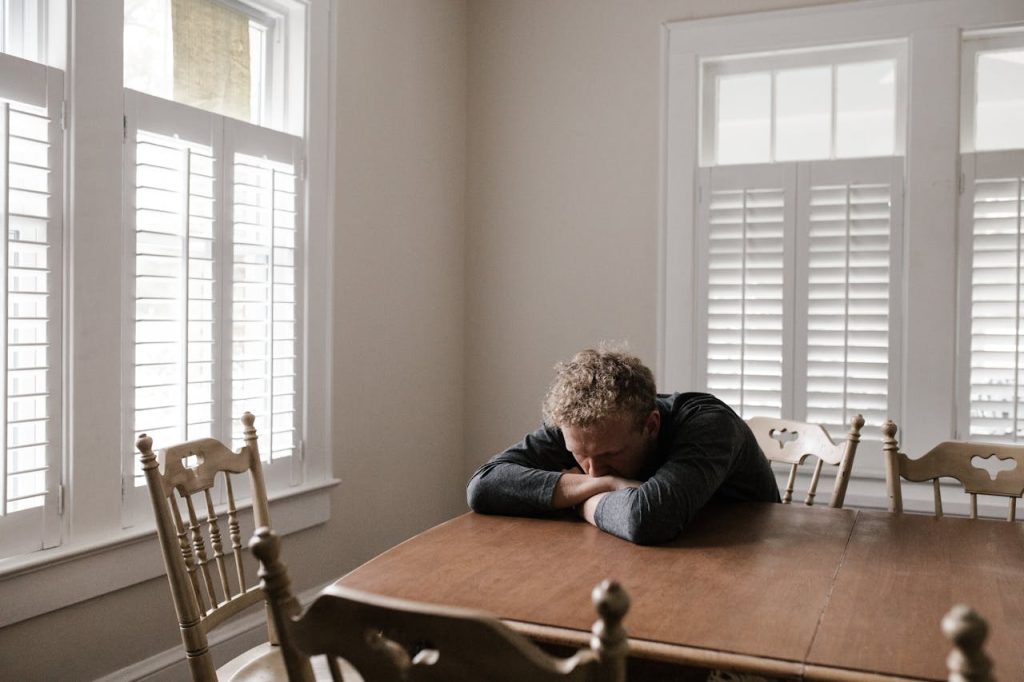
The Numbers Don’t Lie
According to the Anxiety and Depression Association of America, more than 3 million men in the U.S. live with panic disorder, agoraphobia, or other phobias. And that’s just the men who’ve been diagnosed.
Research published in the Journal of Psychiatric Research found that while women are diagnosed with anxiety at higher rates (23.4% vs 14.3% for men), this gap likely reflects underreporting rather than reality. Men are far less likely to seek help or even recognize their symptoms as anxiety in the first place.
A systematic review in the Journal of Affective Disorders put it bluntly: anxiety disorders are among the most commonly diagnosed mental illnesses in men, but male-specific anxiety research is severely lacking. The study found that men often experience unique symptom profiles, including psychosomatic symptoms that persist over extended periods. And critically, the experience of anxiety, and help-seeking for it, transgresses many men’s sense of masculinity, resulting in significant stigma.
In other words: we’re struggling, we’re not getting help, and we’re suffering in silence.
Why Anxiety Looks Different in Men
Here’s something that caught my attention in the research: anxiety doesn’t always present the same way in men as it does in women.
According to Medical News Today, a 2021 review of 25 studies found that men report increased anxiety severity and are more likely to experience physical symptoms like headaches, loss of appetite, and body tremors. Men’s anxiety also tends to center on feelings of losing control and the perception of “being a failure” if they can’t regain that control.
The University of Maryland Medical System notes that while feelings of dread are common across genders, anxiety in men often shows up as irritability, aggression, and anger. Psychologists believe this is connected to social expectations. Acting angry feels more acceptable than admitting you’re scared or worried.
Think about it. From childhood, most of us heard some version of “toughen up” or “don’t be a baby.” We learned that fear and worry were things to hide, not discuss. So when anxiety shows up, we don’t call it anxiety. We call it being pissed off. Or we don’t call it anything at all.

The Hidden Signs of Anxiety in Men
So what does anxiety actually look like when you’re not experiencing the stereotypical “panic attack in a paper bag” scenario?
Here are some common signs that often get overlooked:
Irritability and anger. You find yourself snapping at small things. Traffic. A comment from your partner. Your kids being kids. The anger feels disproportionate to the trigger, and afterward, you might feel confused or guilty about your reaction.
Physical symptoms without clear cause. Chronic headaches. Muscle tension, especially in your neck, shoulders, or jaw. Stomach issues. Racing heart. Trouble sleeping. You might chalk these up to aging or stress, but they can all be manifestations of anxiety.
Difficulty concentrating. Your mind feels scattered. You read the same paragraph three times. You forget what you were doing mid-task. This isn’t laziness or getting older. It can be your brain overwhelmed by worry it hasn’t processed.
Avoidance behaviors. Skipping social events. Putting off difficult conversations. Procrastinating on tasks that feel overwhelming. Avoidance is one of anxiety’s favorite strategies.
Substance use. According to the Men’s Health Network, men are more likely to engage in escapist behaviors like excessive alcohol consumption, substance abuse, or compulsive behaviors like overworking or engaging in risky activities to cope with anxiety. That nightly drink to “take the edge off” might be medicating something deeper.
Relationship strain. Research from Men’s Health UK found that men are more likely than women to experience relationship strain from worrying. This might be because men tend to have fewer close friendships and rely more heavily on romantic partners for emotional support.
If any of these sound familiar, you’re not weak. You’re human. And you might be dealing with anxiety without realizing it.
Why Men Don’t Get Help (And Why That Needs to Change)
Let’s be honest about the elephant in the room.
Most men don’t seek help for anxiety because it feels like admitting weakness. Talking about feelings, sitting in a therapist’s office, taking medication – these things can feel like failures of masculinity.
Dr. Derek M. Griffith, founder of the Center for Men’s Health Equity at Georgetown University, told Medical News Today: “For many men, anxiety is something they would seek help for only when it hinders their work performance or their ability to fulfill other roles and responsibilities. Even then, it is not uncommon for men to view anxiety as something they just have to deal with rather than something that is treatable by a professional.”
Research in the BMC Psychology journal frames it starkly: anxiety disorders are the most prevalent mental health disorder experienced by men, and when left untreated, anxiety predicts other psychiatric disorders including depression and increased suicide risk.
That last part deserves attention. Untreated anxiety doesn’t just make life harder. It can spiral into something much darker.
Here’s what I’ve come to believe: getting help for anxiety isn’t weakness. It’s the opposite. It takes more courage to face what’s going on inside you than to keep pretending everything’s fine.

What Actually Helps
The good news? Anxiety is one of the most treatable mental health conditions. And there are approaches that work particularly well for men.
Cognitive Behavioral Therapy (CBT)
Harvard Health specifically highlights CBT as effective for men because it’s structured, practical, and focused on current problems rather than endless analysis of your childhood.
CBT teaches you to identify negative thought patterns and replace them with more realistic ones. It’s skill-based, which appeals to the problem-solving mindset many men have. According to research published in PMC, CBT is a first-line, empirically supported intervention for anxiety disorders, and many people see significant improvements within 8-16 sessions.
Physical Activity
You’ve probably heard exercise is good for mental health. But it’s not just a platitude. Physical activity directly impacts the neurochemistry underlying anxiety. It burns off stress hormones, releases endorphins, and provides a healthy outlet for the physical tension anxiety creates.
You don’t need to become a gym rat. Regular walks, playing sports, lifting weights, or any movement that gets your heart rate up can make a real difference.
Breathing and Relaxation Techniques
I know, I know. “Just breathe” sounds like useless advice when your mind is racing. But there’s actual science here.
Slow, deep breathing activates your parasympathetic nervous system, which is the opposite of the fight-or-flight response anxiety triggers. Techniques like box breathing (inhale for 4 counts, hold for 4, exhale for 4, hold for 4) can genuinely calm your nervous system.
It feels awkward at first. Do it anyway.
Building a Support Network
One consistent finding in the research: men tend to have fewer close friendships and rely more heavily on romantic partners for emotional support. This puts enormous pressure on one relationship and leaves men isolated when that relationship isn’t available.
Building connections with other men matters. Whether it’s a men’s group, close friendships, or even online communities, having people you can be honest with makes a difference.
Professional Support
Sometimes you need more than self-help strategies. If anxiety is significantly impacting your life, relationships, or work, talking to a professional is worth considering.
Therapy doesn’t have to mean lying on a couch talking about your mother. Modern approaches like CBT are practical and goal-oriented. And if therapy still feels like too big a step, apps and online resources can be a starting point.
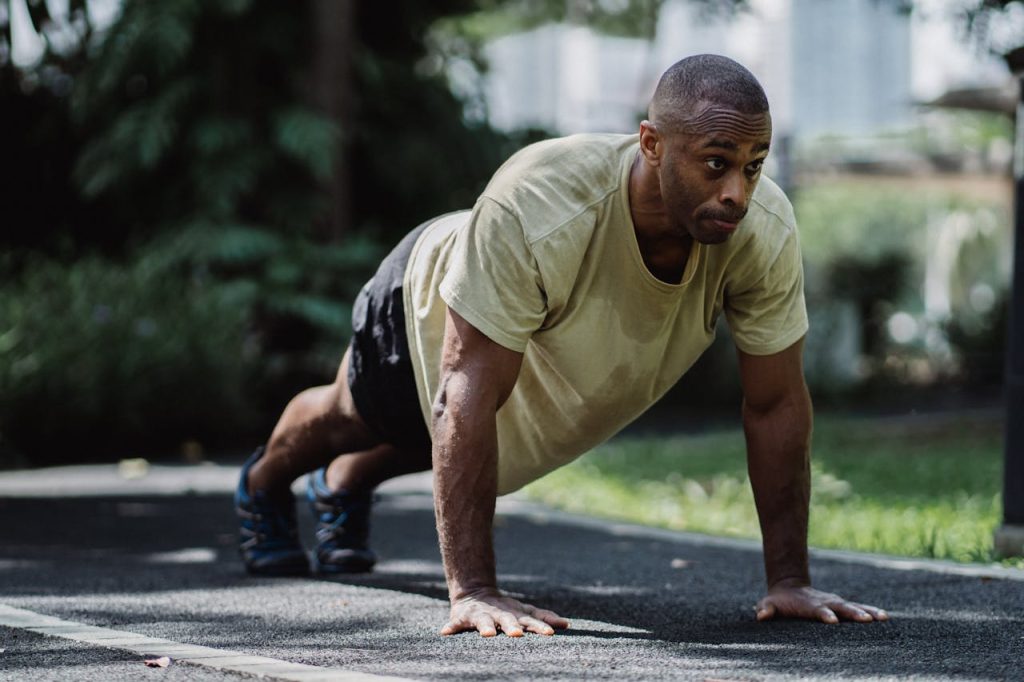
A Personal Note
I’ll be honest with you. For years, I didn’t recognize my own anxiety for what it was.
I thought I was just “intense.” Or that I cared a lot about things. Or that the tightness in my chest and the racing thoughts were just normal parts of life.
It wasn’t until I started paying attention, really paying attention, that I realized how much anxiety had been running in the background. Affecting my sleep. My relationships. My ability to be present.
Naming it changed things. Not because the word “anxiety” is magic, but because once you know what you’re dealing with, you can actually address it.
You don’t have to white-knuckle through life. You don’t have to keep pretending you’re fine when you’re not.
The Bottom Line
Anxiety in men is real, common, and often unrecognized. It hides behind anger, physical symptoms, avoidance, and substance use. It thrives in silence.
But it’s also treatable. Highly treatable.
If you recognized yourself in this article, consider taking one small step:
Talk to someone you trust about what you’re experiencing.
Try a breathing exercise the next time you feel overwhelmed.
Schedule one session with a therapist, even if just to explore.
Start moving your body regularly.
Pay attention to how much you’re relying on alcohol or other substances to cope.
You don’t have to have it all figured out. You just have to be willing to start.
Anxiety doesn’t make you less of a man. How you respond to it, with honesty and courage, that’s what matters.
🙏🏼