

Ever been at a party, surrounded by people, and still felt completely alone?
Or maybe you’ve stayed in a relationship long past its expiration date, not because you were happy, but because the thought of being single terrified you more than being miserable.
If any of this sounds familiar, you’re not alone. Ironically, even in that.
Here’s the thing most people won’t admit: the fear of being alone is one of the most common human experiences. We’re wired for connection. But somewhere along the way, many of us confused “needing people” with “needing people to feel okay about ourselves.”
And that’s where the trouble starts.

What’s Really Going On Here?
The fear of being alone, sometimes called autophobia or monophobia, isn’t just about preferring company. It’s an intense anxiety that can affect your daily life, your relationships, and your sense of self.
According to the Cleveland Clinic, people with this fear may experience symptoms even when they’re not physically alone. Just the thought of being by themselves can trigger panic.
But here’s what makes it tricky: this isn’t about being introverted or extroverted. Plenty of outgoing people dread being alone. And plenty of quiet people are perfectly content with their own company.
The difference? It comes down to whether you see solitude as a threat or as neutral ground.
Research from a 2020 study published in Frontiers in Psychology developed a scale specifically to measure the fear of loneliness. The results showed strong connections between this fear, low self-esteem, and anxiety-related symptoms. In short: the fear of being alone isn’t just a preference. It’s a measurable pattern that affects mental health.
Where Does This Fear Come From?
Most of us weren’t born afraid of our own company. Toddlers are perfectly happy playing by themselves (for about five minutes, anyway).
But then life happens.
British psychoanalyst Donald Winnicott explained that we develop the “capacity to be alone” as children through internalizing a supportive caregiver’s presence. When a child feels secure, they carry that security inside them. They can be alone without feeling abandoned.
But when early experiences involve inconsistency, abandonment, or emotional unavailability? That internal security never fully develops.
According to the Chicago Psychoanalytic Institute, difficulties with being alone often stem from childhood experiences where individuals didn’t feel securely attached or supported, leading to fears of abandonment.
Other factors that can contribute include traumatic events like the death of a parent, divorce, difficult breakups, and even growing up in a high-conflict home where you learned to associate love with constant vigilance.
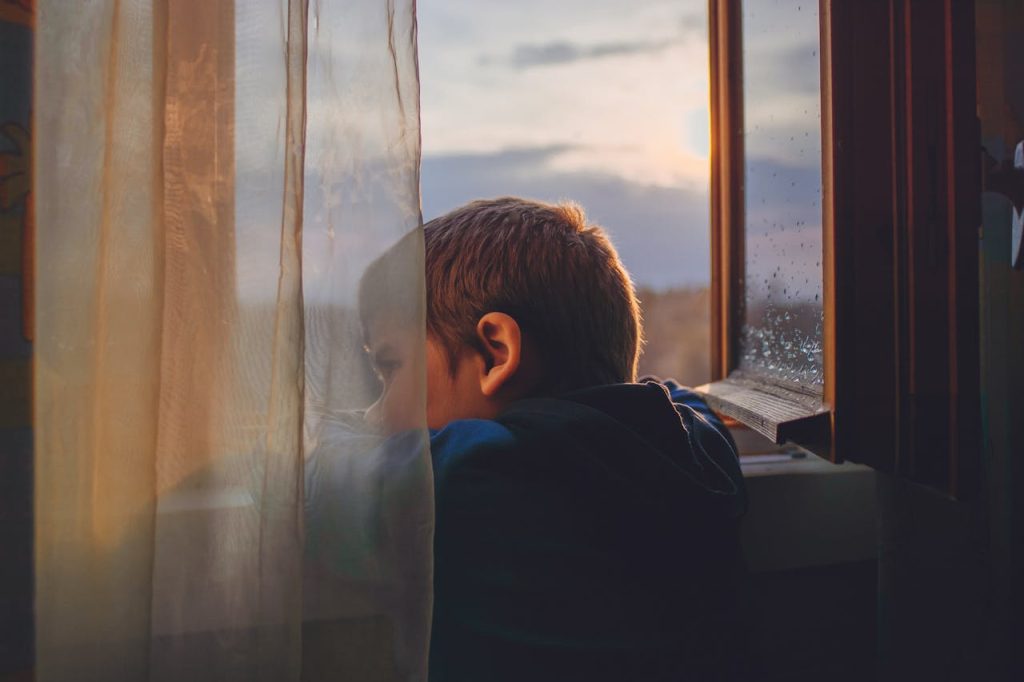
The Hidden Cost: How This Fear Sabotages Your Life
Here’s where it gets serious.
When you’re afraid of being alone, you don’t just feel uncomfortable. You make decisions based on that fear, and those decisions rarely serve you well.
According to Psychology Today, the fear of being alone can lead to:
Staying in unhealthy relationships. You know it’s not working. Maybe it’s even toxic. But leaving means facing that empty apartment, and that feels worse than the dysfunction.
Over-functioning for partners who aren’t meeting you halfway. You do everything, tolerate anything, just to keep someone around.
Overlooking red flags. That thing they did that bothered you? You convince yourself it’s fine because at least you’re not alone.
Falling fast and holding on to fantasy. Instead of seeing the relationship for what it is, you see what you desperately want it to be.
People with this fear often develop what attachment researchers call an anxious attachment style. They need constant reassurance, fear rejection intensely, and struggle to feel worthy of love. Relationships become both the poison and the cure.
The cruel irony? This fear of being alone often leads to being alone anyway, because the behaviors it drives tend to push people away.

Solitude Isn’t the Enemy (Your Relationship With It Is)
Here’s something that might surprise you: being alone isn’t bad for you. In fact, research suggests it’s essential.
According to research published in Scientific Reports, solitude can serve as an “arousal deactivator,” reducing both intense positive and negative emotions. It helps regulate your nervous system. Think of it as hitting the reset button.
Studies referenced by Psychology Today found that solitude promotes self-awareness, independent thinking, creativity, and meaningful connection – both with yourself and others.
The key difference? Researchers distinguish between chosen solitude and forced isolation. When you actively choose time alone for self-reflection or rest, it benefits you. When you feel trapped in loneliness, it harms you.
A study from PMC found that even people who struggle with loneliness can experience solitude more positively by simply changing how they think about being alone. Participants who read about the benefits of solitude before experiencing it reported significantly less negative feelings.
In other words: the story you tell yourself about being alone matters more than the aloneness itself.
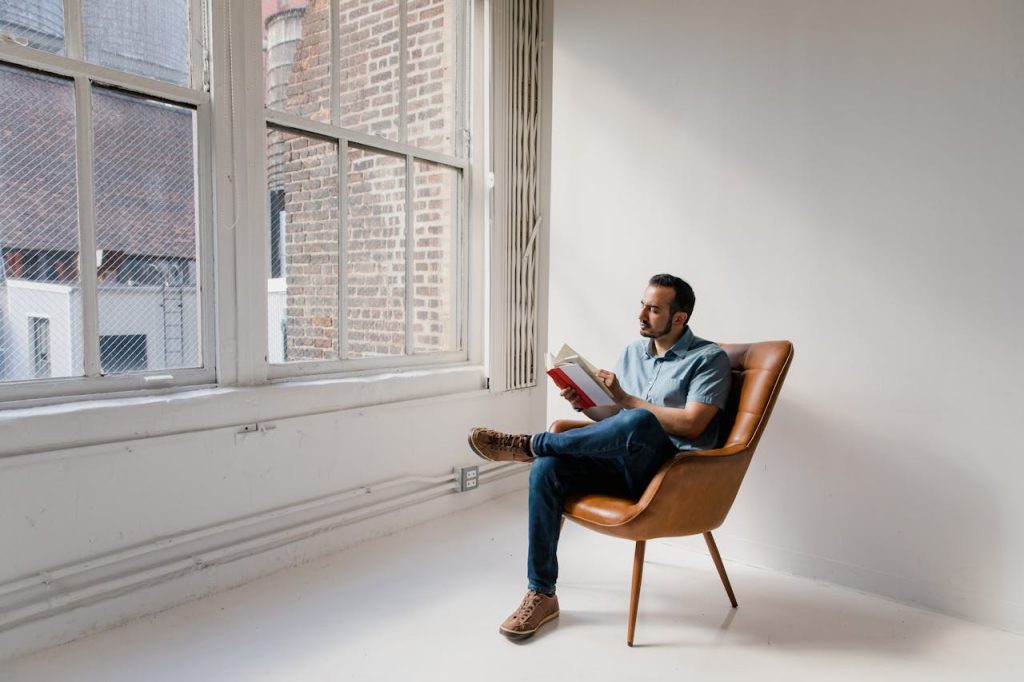
How to Actually Become Comfortable With Yourself
So how do you shift from fearing solitude to genuinely enjoying your own company?
Start small. You don’t need to spend a weekend alone in a cabin (unless you want to). Try having coffee by yourself. Take a walk without headphones. Sit with the discomfort for ten minutes. Then build from there.
Choosing Therapy recommends practicing allowing yourself to sit with the discomfort of loneliness while reminding yourself that those feelings are temporary and will pass.
Name what you’re feeling. Research on affect labeling shows that putting feelings into words sends calming neurotransmitters to your brain. When anxiety rises, try saying: “I’m feeling anxious about being alone right now.” Just naming it takes some power away.
Build an inner sense of security. This is the real work. According to Mindful Balance, when we have a strong inner sense of self, we have confidence about our acceptability even when others aren’t around. This develops through self-compassion, healthy relationships, and sometimes therapy.
Practice self-compassion. Self-Compassion.org offers this framework: mindfully acknowledge your pain, remind yourself that suffering is part of the shared human experience, and offer yourself kindness. Treat yourself like you’d treat a good friend going through a hard time.
Challenge the stories. If you believe being alone means being unworthy or unlovable, question that belief. Where did it come from? Is it actually true? Would you say it to someone you care about?

A Word About Relationships
Learning to be alone doesn’t mean becoming a hermit or rejecting connection. Quite the opposite.
The Chicago Psychoanalytic Institute notes that when individuals are comfortable being alone, they’re less likely to form unhealthy attachments or relationships based on dependency. Instead, they can build healthier, more fulfilling relationships rooted in mutual respect.
Here’s a simple test: Are you in your current relationship because you genuinely want to be, or because you’re afraid of what happens if you leave?
There’s no wrong answer. Just an honest one.
If you can be okay alone, you get to choose relationships from a place of abundance rather than desperation. You stay because you want to, not because you have to. That changes everything.
The Bottom Line
Being afraid of being alone isn’t a character flaw. It’s usually a wound, one that developed because at some point, being alone felt unsafe or unbearable.
But here’s what I want you to know: you can heal this. Not by forcing yourself to be alone before you’re ready, but by gradually building an inner sense of security. By learning to be your own good company.
The goal isn’t to need no one. We’re human. Connection matters. The goal is to not need someone (anyone) just to feel okay in your own skin.
When you can sit quietly with yourself and feel at peace, something shifts. You stop tolerating relationships that don’t serve you. You stop filling every moment with noise and distraction. You start making choices based on what you actually want, not what you’re afraid of.
That’s freedom.
And honestly? It’s worth the discomfort of getting there.

Tudor Cioaba is the founder of Masculinitism and a Senior UX Researcher who studies how people think, feel, and decide. He holds an MBA and is a certified NLP Practitioner and Life & Business Coach. After more than twelve years of personal inner work, he writes about healthy masculinity from lived experience, not theory: honest, practical, and free of hype.
Frumos!
Iti multumesc frumos, Cristina!