

Let’s talk about something most men won’t discuss out loud.
You know something’s off. What started as occasional use has become a daily habit. Then multiple times daily. You’ve tried to stop, maybe promised yourself “this is the last time” more times than you can count. But here you are again.
You’re not alone. And this isn’t about moral failure or lack of willpower. There’s a reason this pattern is so hard to break, and understanding it is the first step toward freedom.

Is Porn Addiction Real?
Here’s where things get complicated. “Porn addiction” isn’t officially recognized as a diagnosis in the DSM-5, the manual mental health professionals use to diagnose conditions. This has led to heated debate about whether it’s a “real” addiction.
But here’s what matters more than diagnostic labels: if pornography use is causing distress in your life, interfering with your relationships, affecting your work, or feeling out of your control despite repeated attempts to stop, the suffering is real regardless of what we call it.
The World Health Organization’s ICD-11 does recognize “Compulsive Sexual Behavior Disorder” (CSBD), which includes problematic pornography use. It’s classified as an impulse-control disorder characterized by persistent failure to control sexual urges despite distress.
Research published in PMC shows that stress, anxiety, and depression are strongly related to pornography consumption, and that conflicting emotional experiences as well as identity problems significantly increase vulnerability to addictive sexual behavior.
What we know is this: many men experience patterns with pornography that look remarkably similar to other addictions, complete with tolerance (needing more to get the same effect), withdrawal symptoms when stopping, and continued use despite negative consequences.
Whether you call it addiction, compulsive behavior, or problematic use, if it’s affecting your life, it deserves attention.
What Happens in Your Brain
To understand why pornography can become so difficult to control, you need to understand what’s happening neurologically.
When you watch pornography and experience arousal, your brain releases dopamine, the neurotransmitter associated with pleasure and reward. This is normal. It’s how your brain motivates you toward activities that support survival and reproduction.
The problem is that internet pornography acts as what researchers call a “supernormal stimulus”. It delivers dopamine levels far exceeding what real-life experiences provide. The endless novelty (new videos, new performers, new scenarios with every click) keeps triggering that dopamine response in ways natural sexual experiences can’t match.
Over time, this creates changes in your brain:
Desensitization. Your brain responds to the dopamine flood by reducing its dopamine receptors. Research shows that this “downregulation” means you need more stimulation to feel the same effect. What used to be arousing no longer works, so you seek more extreme content.
Sensitization. While your overall pleasure response decreases, your brain becomes hyperreactive to porn-related cues specifically. A PMC study found that compulsive internet pornography users show “enhanced attentional bias” similar to what’s observed in drug addiction, where cues related to the substance grab attention automatically.
Tolerance. Just like with substances, you need increasing amounts or more intense material to achieve the same effect. Many men find themselves watching content they would have found disturbing earlier in their use.
Hypo-frontality. Neuroimaging studies suggest changes in the prefrontal cortex, the area responsible for decision-making and impulse control. This makes it harder to resist urges even when you genuinely want to stop.
None of this makes you broken or defective. Your brain is doing what brains do: adapting to repeated stimuli. The same plasticity that created the problem can help reverse it.

Signs Your Use Might Be Problematic
Not everyone who watches pornography develops a problematic pattern. So how do you know when casual use has crossed into something more serious?
According to addiction specialists, warning signs include:
Loss of control. You’ve tried to cut back or quit but can’t. You watch more than you intended or for longer than planned.
Escalation. You need more intense or extreme content to achieve the same arousal. Material that once seemed off-putting now feels necessary.
Negative consequences without behavior change. Your use is affecting your relationships, work, sleep, or mental health, but you continue anyway.
Preoccupation. You spend significant time thinking about pornography even when you’re not watching. Planning when you’ll next use it. Distracted from other activities.
Using despite distress. You feel guilt, shame, or anxiety about your use, but those feelings don’t lead to sustained change.
Withdrawal symptoms. When you try to stop, you experience irritability, restlessness, anxiety, sleep problems, or intense cravings.
Tolerance. What used to be enough no longer satisfies. You need more time, more frequency, or more extreme content.
Neglecting other areas of life. Relationships, hobbies, work, exercise, and other activities that used to matter are being pushed aside.
Secrecy. You hide your use from partners or family. You’ve lied about it. You feel you’re living a double life.
Research suggests that about 5-8% of men may struggle with compulsive porn use, though actual numbers could be higher due to underreporting from shame.
The Impact on Your Life
Problematic pornography use doesn’t stay contained. It ripples outward, affecting multiple areas of life.
Relationships and Intimacy
One of the most painful effects is what happens to real-world intimacy.
Research published in PMC found that sensitized arousal to internet pornography can mean that sexual experience with a real partner no longer triggers sufficient dopamine to produce and sustain arousal. The brain has been conditioned to respond to the specific stimuli of pornography, not the subtler cues of actual human connection.
This can manifest as:
Porn-induced erectile dysfunction (PIED). Studies show a sharp increase in erectile dysfunction among young men, a demographic that historically rarely experienced this issue. Many can maintain arousal with pornography but struggle with a real partner.
Decreased desire for partnered sex. Real intimacy can feel less interesting or stimulating compared to the hypernovelty of pornography.
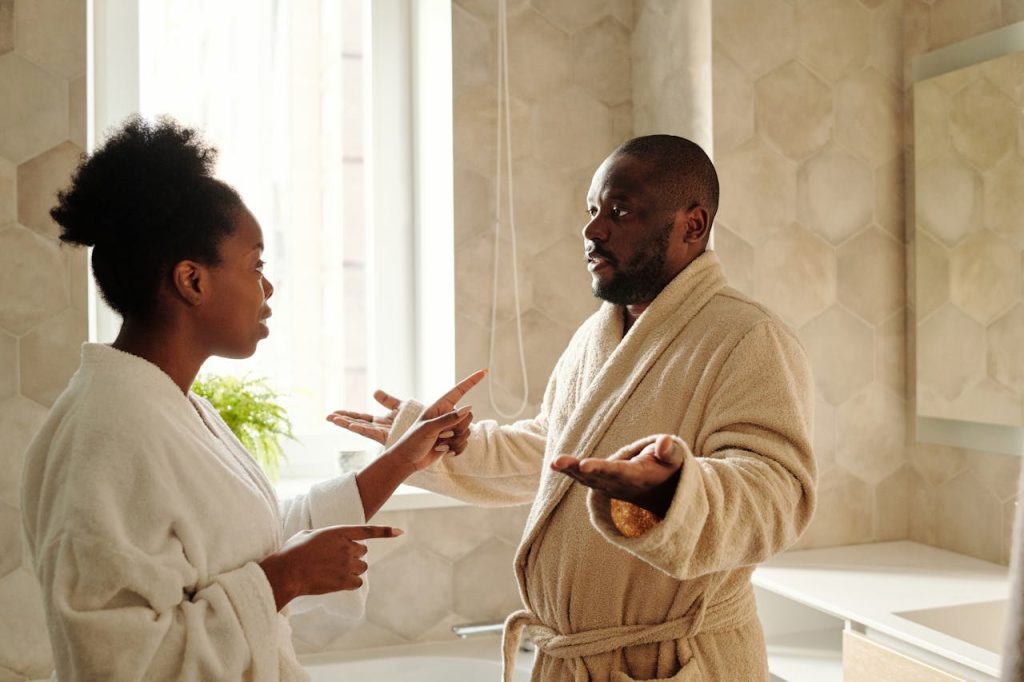
Emotional disconnection. Partners often feel neglected, betrayed, or unable to compete. The secrecy and shame create distance.
Unrealistic expectations. Pornography presents scripted, edited, and often extreme versions of sex. This can distort expectations about what real intimacy looks like.
Mental Health
Research consistently links problematic pornography use with depression, anxiety, and low self-esteem. It’s often unclear which comes first (people may use porn to cope with existing mental health issues, and the use may worsen those issues), but the relationship is significant.
Common experiences include:
Shame and guilt. The gap between your values and your behavior creates painful cognitive dissonance.
Anxiety. Worry about being discovered, about the effects on your relationships, about your inability to stop.
Depression. Feelings of hopelessness, worthlessness, and the sense that you’re trapped.
Isolation. Withdrawal from social activities and relationships as use consumes more time and energy.
“Brain fog.” Users report difficulty concentrating, poor memory, and decreased motivation for other activities.
Life Functioning
Pornography use can expand to consume significant portions of your day. Case reports describe individuals spending an average of 5+ hours daily watching pornography, with obvious impacts on work productivity, relationships, and basic self-care.
Why You Can’t “Just Stop”
If you’ve tried to quit through willpower alone and failed repeatedly, you’re not weak. You’re facing something that operates below the level of conscious choice.
Pornography use often isn’t really about sex. It’s frequently a coping mechanism for:
Stress and anxiety. The dopamine hit provides temporary relief from uncomfortable emotions.
Loneliness and isolation. It fills a void where connection should be, albeit inadequately.
Boredom. It’s instantly accessible stimulation when nothing else seems appealing.
Unresolved trauma. Research indicates that childhood adversity and trauma increase vulnerability to compulsive sexual behavior.
Emotional avoidance. It numbs difficult feelings without requiring you to actually process them.
This is why simply blocking websites or trying harder rarely works long-term. Unless you address what’s driving the behavior, you’re just removing the symptom while the underlying need remains unmet.
The urge to watch porn is often an attempt to escape uncomfortable emotions rather than a genuine sexual need. Until you develop alternative ways to meet those needs, the pull toward pornography will remain strong.
The Path to Recovery
Recovery is possible. Research on “brain plasticity” shows that the brain changes created by compulsive pornography use can be reversed over time with sustained abstinence and healthy replacement behaviors.
Here’s what the recovery journey typically involves:
Acknowledge the Problem
This sounds obvious, but it’s often the hardest step. Denial, minimization, and rationalization are powerful. Being honest with yourself about the extent of the problem and its effects is where change begins.
Make a list of the negative ways pornography has affected your life: relationships, mental health, productivity, self-image, intimacy. Read this list when denial tries to convince you it’s not that bad.
Understand Your Triggers
What situations, emotions, or circumstances precede your use? Common triggers include:
Stress or anxiety, boredom, loneliness or isolation, anger or frustration, late nights alone, certain devices or locations, alcohol or substance use.
Recovery experts recommend keeping a journal to identify patterns. Once you know your triggers, you can develop specific strategies for each.
Remove Easy Access
Make it harder to act on impulses. This includes:
Installing filtering or blocking software on devices, keeping devices in common areas rather than private spaces, having accountability partners who can see your online activity, and deleting stored content.
This won’t prevent determined use, but it creates friction that gives your prefrontal cortex time to engage before automatic behavior takes over.
Develop Alternative Coping Strategies
If pornography has been your primary way of managing stress, loneliness, or boredom, you need replacement strategies:
Physical exercise releases endorphins and improves mood.
Social connection meets the need for human contact that porn artificially addresses.
Mindfulness practices help you tolerate uncomfortable emotions without numbing them.
Creative outlets provide engagement and flow states.
Purpose-driven activities give life meaning beyond the pursuit of pleasure.
Seek Professional Support
Research shows that professional treatment significantly improves outcomes. Options include:
Cognitive Behavioral Therapy (CBT). Helps identify and change thought patterns and behaviors associated with use.
Acceptance and Commitment Therapy (ACT). Increases mental flexibility and helps commit to values-aligned behavior.
Sex therapy. Addresses sexual dysfunction and helps rebuild healthy intimacy.
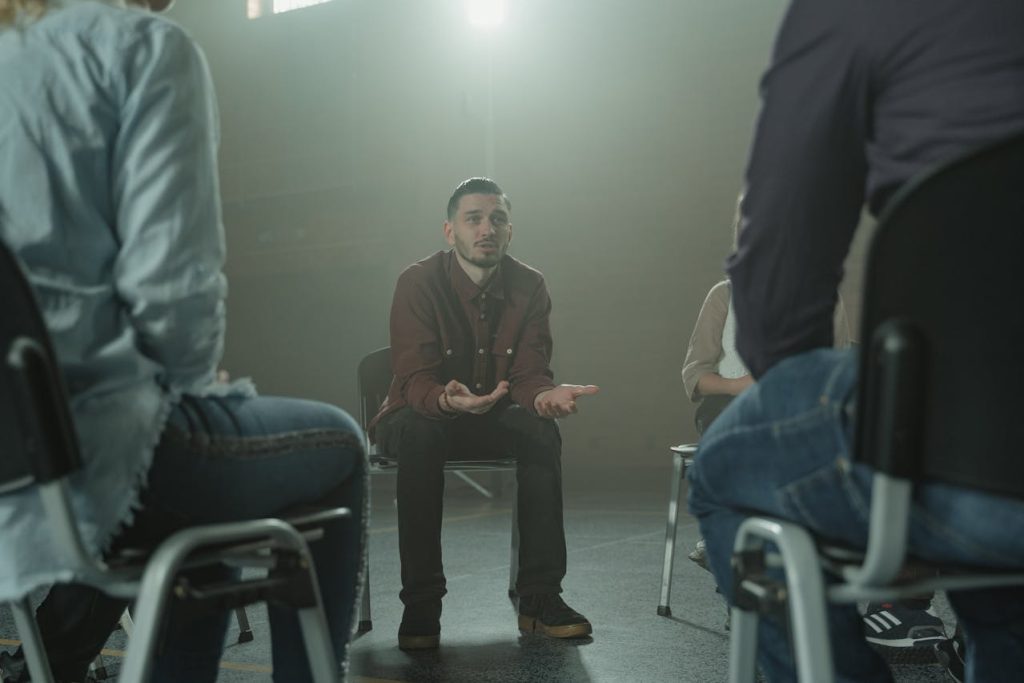
Group therapy. Provides community support and reduces shame through shared experience.
Join a Support Community
You don’t have to do this alone. Support groups specifically for pornography addiction include:
Sex Addicts Anonymous (SAA), Porn Addicts Anonymous (PAA), NoFap community, and SMART Recovery.
The combination of accountability, shared experience, and knowing you’re not alone can be transformative.
What Recovery Actually Looks Like
Recovery isn’t linear, and it’s important to have realistic expectations.
Based on clinical experience, here’s a general timeline:
First few weeks: Strong cravings, mood swings, sleep problems, irritability. Some experience a “flatline” where libido temporarily disappears.
1-3 months: Cravings begin to decrease. Focus and self-control improve. Interest in real intimacy may return.
3-6 months: Healthier coping skills take hold. Triggers feel more manageable. Confidence grows.
6-12 months: Clearer mental health. Stronger relationships. More balanced routines.
1 year and beyond: Focus shifts to maintaining healthy habits and preventing relapse.
Relapse is common and doesn’t mean failure. What matters is getting back on track rather than letting a slip become a full return to old patterns.
A Note on Shame
Shame keeps people stuck. It tells you that you’re fundamentally broken, unworthy of love, and hopeless. It drives secrecy, which enables continued use. And it makes reaching out for help feel impossible.
But here’s the truth: struggling with this doesn’t make you a bad person. It makes you a human dealing with a powerful combination of biology, psychology, and the unprecedented availability of superstimulating content.
Millions of men face this same struggle. Many have found freedom. You can too.
The path forward isn’t about becoming someone without flaws. It’s about developing the awareness, skills, and support to manage this particular vulnerability while building a life aligned with your values.

When to Seek Help Immediately
While many can begin recovery with self-help strategies and support groups, some situations warrant professional intervention:
You’re experiencing severe depression or thoughts of self-harm, your use involves illegal content, you’re unable to stop despite serious consequences (job loss, relationship ending), you’re also struggling with substance abuse, or your use has escalated to risky real-world behaviors.
The SAMHSA National Helpline (1-800-662-4357) provides free, confidential support 24/7.
The Bottom Line
Problematic pornography use is real, it’s common among men, and it can significantly impact mental health, relationships, and quality of life. The neurological mechanisms involved make it genuinely difficult to overcome through willpower alone.
But recovery is absolutely possible. The same brain plasticity that created the problem allows for healing. With understanding, appropriate strategies, support, and often professional help, men rebuild their relationship with sexuality, repair damaged relationships, and reclaim their lives.
If you recognize yourself in this article, consider it an invitation. Not to shame, but to action. You don’t have to figure this out alone, and the life on the other side of recovery is worth the effort.

Tudor Cioaba is the founder of Masculinitism and a Senior UX Researcher who studies how people think, feel, and decide. He holds an MBA and is a certified NLP Practitioner and Life & Business Coach. After more than twelve years of personal inner work, he writes about healthy masculinity from lived experience, not theory: honest, practical, and free of hype.