

Here’s a question that might hit close to home: When’s the last time you were truly alone and actually enjoyed it?
Not alone while scrolling your phone. Not alone while watching TV to fill the silence. I mean genuinely alone with yourself, feeling peaceful instead of restless.
If you struggled to answer that, you’re not alone. (Ironic, I know.)
We live in a world that treats being by yourself like a problem to solve. Got a free evening? Better fill it with plans. Weekend with nothing scheduled? Something must be wrong. The message is clear: being alone equals being lonely.
But here’s the thing. Those two are not the same.

The Crucial Difference
Let me put it simply.
Loneliness is the painful feeling that you’re disconnected from others, even when you might be surrounded by people. It’s that gnawing sense that nobody really knows you, that you don’t belong.
Solitude is the state of being alone by choice, and actually enjoying it.
One is something that happens to you. The other is something you choose.
As researchers have noted, loneliness is a multidimensional experience involving emotional distress, social inadequacy, and feelings of not being valued. Solitude, on the other hand, is a conscious, geographic isolation that can feel deeply nourishing.
The German philosopher Arthur Schopenhauer put it well: loneliness is feeling an emptiness that remains unsatisfied. Solitude is retreating into yourself and taking pleasure in your own company.
Same external circumstance. Completely different internal experience.
Why This Matters (Especially for Men)
Look, I’m not going to sugarcoat this. There’s a loneliness epidemic happening, and men are feeling it hard.
According to research, 15% of men now report having no close friends, a staggering increase from just 3% in 1990. A majority of men from Millennials to Gen Z agree with the statement “No one really knows me well.”
And the health consequences are serious. The U.S. Surgeon General’s advisory linked loneliness to a 29% increased risk of heart disease, 32% increased risk of stroke, and 50% increased risk of dementia for older adults. Loneliness carries roughly the same mortality risk as smoking 15 cigarettes a day.
But here’s what’s interesting: the solution isn’t just more socializing.
Sometimes, the path out of loneliness runs straight through learning to be comfortable alone.

The Paradox: Solitude Can Heal Loneliness
This sounds counterintuitive, right? If you’re feeling disconnected, wouldn’t being alone make it worse?
Not necessarily.
Research from Psychology Today suggests that solitude can actually help combat loneliness. Why? Because when you know yourself, you’re better equipped to connect authentically with others.
Think about it. Part of what makes loneliness so painful is the fixation on our unmet needs. We’re so focused on what we’re not getting from others that we lose touch with ourselves.
Healthy solitude breaks that cycle. It lets you reconnect with who you are, what you value, and what you actually want from relationships, not just what you think you’re supposed to want.
As one researcher put it: “Solitude is not the enemy of connection. It is the space in which connection becomes possible.”
What Makes Solitude Actually Enjoyable?
The difference between lonely isolation and nourishing solitude comes down to a few key factors.
Choice matters. Studies consistently show that self-determined solitude, time alone you’ve chosen, produces completely different outcomes than forced isolation. When you decide to be alone, your brain processes it differently than when solitude is imposed on you.
Intention matters. Scrolling your phone for three hours isn’t really solitude. It’s avoidance dressed up as alone time. Real solitude involves some level of presence and engagement with yourself.
Your relationship with yourself matters. If you don’t like who you are, being alone with that person isn’t going to feel great. Learning to enjoy solitude often means working on self-acceptance first.
I’ll be honest. For years, I avoided being alone because I didn’t like the thoughts that surfaced when things got quiet. It took deliberate work to change that.

The Hidden Benefits You’re Missing
When solitude is approached intentionally, the benefits are remarkable.
Creativity flourishes. Research by Bowker and colleagues found that people who withdraw from social interaction by choice (not from fear or avoidance) show increased creativity. Your brain needs uninterrupted time to make unexpected connections.
Emotional regulation improves. According to researchers, solitude allows us to emotionally self-regulate by providing a way to pause the noise and process what often overwhelms us.
Self-awareness deepens. When you’re constantly around others, you’re partly performing. Time alone lets you drop the mask and actually examine what you think, feel, and want.
Stress decreases. Studies show that time in nature and solitude can shift your nervous system from “fight or flight” toward “tend and befriend.” Even playing in soil for five minutes can change your parasympathetic activation.
The writers of “Wired to Create” put it this way: the capacity for solitude may actually be a sign of emotional maturity and healthy psychological development, not a problem to fix.
Why Being Alone Feels So Hard
If solitude is so beneficial, why does it feel so uncomfortable for so many people?
A few reasons.
We’ve been conditioned to fear it. From childhood, being sent to your room was punishment. Time alone became associated with rejection and isolation. Those associations don’t just disappear.
We’ve lost the skill. According to Pew Research, nearly one-third of people in the U.S. are online “almost constantly.” We’ve filled every moment of potential quiet with input. Our brains aren’t used to the silence anymore.
Uncomfortable feelings surface. When you stop distracting yourself, stuff comes up. Anxiety. Regret. Sadness. Things you’ve been avoiding. That’s not a bug of solitude, it’s a feature. But it doesn’t feel great at first.
We confuse aloneness with loneliness. Society has taught us these are the same thing. They’re not. But that message is deeply ingrained.
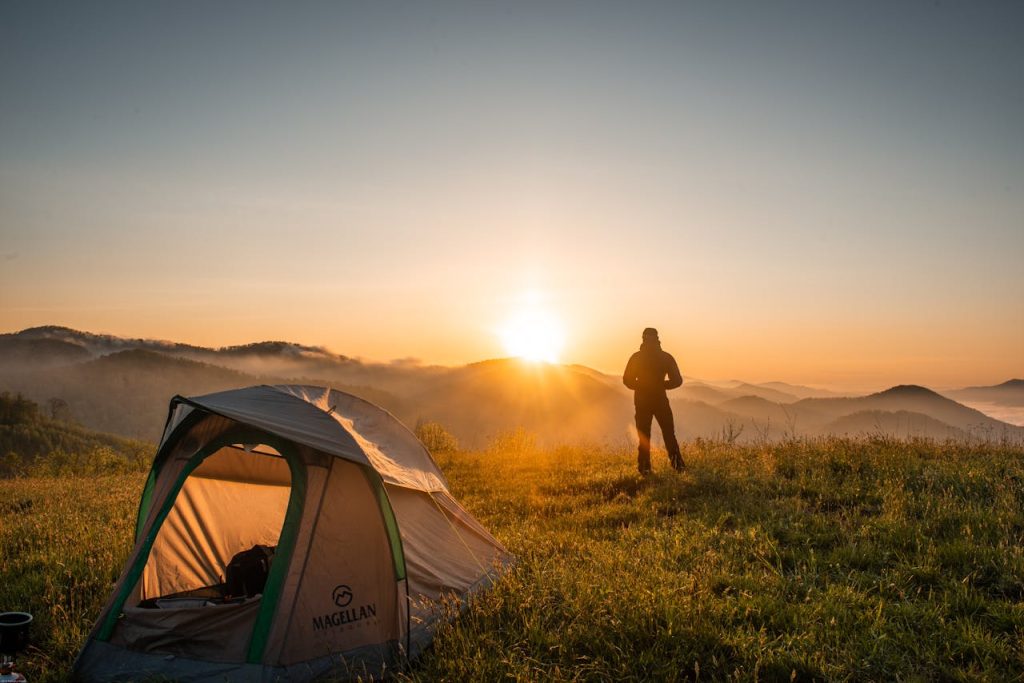
How to Actually Enjoy Being Alone
Ready to transform your relationship with solitude? Here’s where to start.
Start small. Don’t jump straight into a weekend alone. Research suggests starting with just five to fifteen minutes of intentional solitude. Build from there.
Make it intentional. Schedule your alone time like you’d schedule a meeting. Put it in your calendar. Protect it.
Create a space that invites reflection. Light a candle. Make a cup of tea. Make your alone time feel special rather than like leftover time nobody wanted.
Put the phone away. Seriously. Scrolling doesn’t count as solitude. It’s filling silence with noise. If that feels too hard, it’s probably a sign you need it.
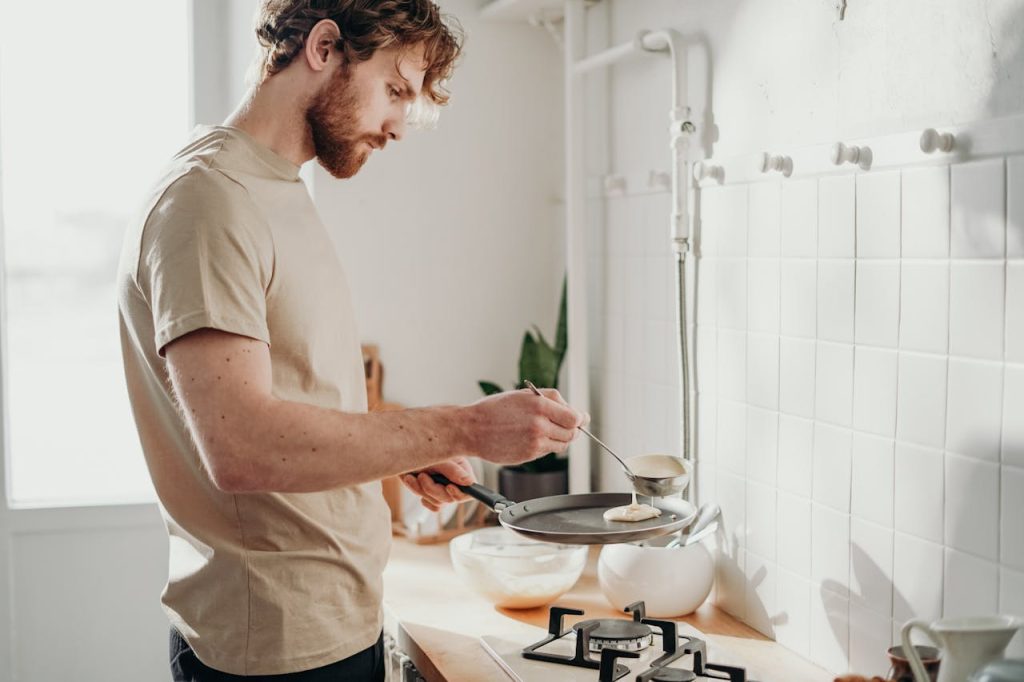
Try structured activities first. If unstructured alone time feels overwhelming, start with something you enjoy. Reading. Walking. Cooking a meal just for yourself. Journaling. Playing an instrument or pursuing a creative hobby.
Let your mind wander. This is the scary part but also the point. Set a timer for five minutes. Sit somewhere comfortable. Let your thoughts go wherever they want. Don’t judge what comes up.
Treat it like a date with yourself. What would you do if you were trying to impress someone? Cook a nice meal. Go somewhere beautiful. Give yourself the same treatment.
When Loneliness Needs More Than Solitude
I want to be clear about something. Learning to enjoy solitude is valuable, but it’s not a replacement for human connection.
If you’re struggling with persistent loneliness, feelings of hopelessness, or signs of depression, please reach out to a professional. Loneliness that affects your daily functioning deserves real support.
The goal isn’t to replace relationships with solitude. It’s to develop a healthy relationship with both. To be able to enjoy your own company and connect meaningfully with others.
When you’re at peace alone, you bring a more whole version of yourself to every relationship.
The Bottom Line
Solitude and loneliness might look similar from the outside, but they feel completely different on the inside.
Loneliness is a wound. Solitude can be medicine.
Learning to enjoy being alone isn’t about becoming a hermit or avoiding people. It’s about developing a relationship with yourself that doesn’t depend on constant external validation. It’s about being able to sit in silence and feel okay.
That’s not weakness. That’s a skill. And like any skill, it takes practice.
Start small. Be patient with yourself. Notice what comes up when things get quiet.
You might discover that the person you’ve been avoiding, yourself, is actually pretty good company.

What’s your relationship with being alone? Do you find it peaceful or uncomfortable? I’d love to hear your thoughts in the comments.

Tudor Cioaba is the founder of Masculinitism and a Senior UX Researcher who studies how people think, feel, and decide. He holds an MBA and is a certified NLP Practitioner and Life & Business Coach. After more than twelve years of personal inner work, he writes about healthy masculinity from lived experience, not theory: honest, practical, and free of hype.